Public Health India
Community
Connect. Learn
& Collaborate
Explore⌄
Resources
Community
About
Join
Editorial
Loneliness as a Determinant of Health: Why Social Connection Matters
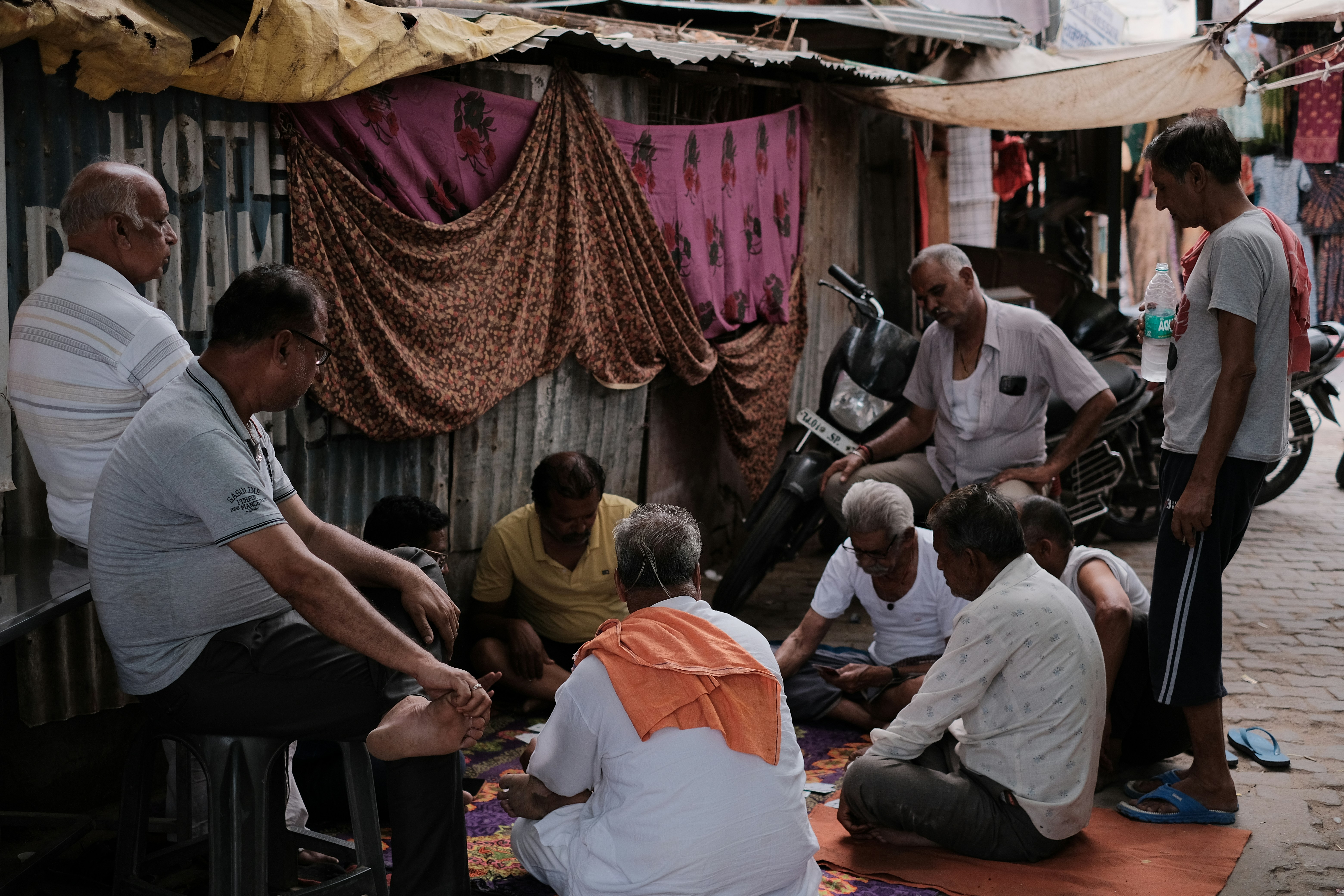
Loneliness is more than simply being alone. It is the distressing feeling that arises when there is a gap between the social relationships a person has and those they would like to have. It differs from social isolation, which refers to an objective lack of social contact. Someone may live alone and feel socially connected, while another person may be surrounded by family and friends yet still feel lonely (Hawkley and Cacioppo, 2010).
Traditionally viewed as an emotional or social concern, loneliness is increasingly recognised as an important determinant of health. Persistent loneliness has been associated with poorer mental health, cardiovascular disease, cognitive decline, altered inflammatory responses and premature mortality.
Social connection, therefore, is not merely desirable for emotional well-being—it may be an important component of healthy living and healthy ageing.
Global Evidence: How Loneliness Affects Health
Research increasingly demonstrates that the quality of our social relationships can influence both mental and physical health.
A landmark meta-analysis involving 148 studies found that people with stronger social relationships had approximately a 50% greater likelihood of survival than those with weaker social relationships (Holt-Lunstad et al., 2010). A subsequent meta-analysis found loneliness, social isolation and living alone to be independently associated with increased risk of premature mortality (Holt-Lunstad et al., 2015).
Loneliness has been associated with:
Cardiovascular disease: Poor social relationships have been associated with approximately 29% greater risk of coronary heart disease and 32% greater risk of stroke (Valtorta et al., 2016).
Higher blood pressure: Persistent loneliness has been associated with increases in systolic blood pressure over time (Hawkley et al., 2010).
Depression: Loneliness can precede depressive symptoms and may create a cycle in which loneliness and depression reinforce each other (Cacioppo et al., 2006).
Anxiety and psychological distress: Longitudinal evidence suggests loneliness may increase vulnerability to subsequent mental health problems (Mann et al., 2022).
Cognitive decline: Loneliness has been associated with poorer cognitive functioning among older adults (Harrington et al., 2023).
Dementia: Meta-analytic evidence suggests that loneliness is associated with an increased subsequent risk of dementia (Qiao et al., 2022).
Immune and inflammatory changes: Social disconnection has been linked with changes in inflammatory processes, although the strength of evidence varies across biomarkers (Smith et al., 2020).
Premature mortality: The association between poor social connection and mortality has been observed across multiple populations and study designs (Holt-Lunstad et al., 2010; Holt-Lunstad et al., 2015).
These findings do not mean that every lonely person will develop disease. Rather, chronic loneliness may act alongside biological, behavioural and socioeconomic risk factors to influence health over time.
The Indian Context: Connected Society, Changing Social Structures
India has traditionally been characterised by strong family and community networks. However, rapid social and demographic changes are altering how people live and connect.
Urbanisation, employment-related migration, smaller households, changing joint-family structures and migration of younger generations can reduce opportunities for regular intergenerational interaction. At the same time, India's ageing population means that increasing numbers of older adults may experience bereavement, retirement, declining mobility and shrinking social networks.
Evidence from the Longitudinal Ageing Study in India (LASI) Wave 1, involving 30,394 adults aged 60 years and above, found that 13.4% experienced frequent loneliness. Loneliness was associated with marital status, chronic disease, difficulties in activities of daily living, physical inactivity, smaller social networks and lower participation in social and leisure activities (Srivastava and Srivastava, 2023).
Who may be particularly vulnerable in India?
Older adults living alone or following the loss of a spouse
Older adults whose children have migrated for employment or education
People with chronic disease, disability or restricted mobility
Migrants who have moved away from established family and community networks
Students and young adults relocating for higher education or employment
Individuals experiencing unemployment or major life transitions
People with limited opportunities for meaningful social participation
Young people should not be overlooked. During the COVID-19 pandemic, disruption of schools, colleges, workplaces and everyday social interactions highlighted the importance of social connection among adolescents and young adults. An Indian study of adolescents and youth during pandemic-related educational closures documented substantial loneliness and psychological distress, particularly among those dissatisfied with life during the pandemic (Rawal et al., 2022).
However, nationally representative longitudinal evidence on loneliness among Indian adolescents and younger adults remains limited. More research is required to understand how loneliness differs according to age, gender, socioeconomic position, rural–urban residence and migration status.
How Does Loneliness “Get Under the Skin”?
Loneliness probably affects health through several interacting pathways rather than a single biological mechanism.
1. Chronic stress
Persistent feelings of social disconnection may activate the body's stress-response systems, including the hypothalamic–pituitary–adrenal (HPA) axis and sympathetic nervous system. Repeated activation may contribute to disturbed sleep, elevated blood pressure and other physiological changes (Hawkley and Cacioppo, 2010).
2. Inflammation and immune function
Chronic social stress may influence immune regulation and inflammatory processes. Studies have investigated associations with markers such as C-reactive protein, interleukin-6 and fibrinogen, although findings are not uniform (Smith et al., 2020).
3. Health behaviours
Loneliness can indirectly influence health through behaviours. People experiencing persistent loneliness may:
Exercise less regularly
Have disturbed or poorer-quality sleep
Find it harder to maintain healthy daily routines
Have fewer people encouraging healthcare seeking or treatment adherence
4. Psychological pathways
Loneliness may increase sensitivity to rejection and perceived social threat. This can encourage withdrawal from social situations, creating a vicious cycle:
Feeling disconnected → withdrawing socially → fewer meaningful interactions → greater loneliness
Over time, these biological, behavioural and psychological pathways may interact and contribute to poorer health.
Coping with Loneliness: What Can Individuals Do?
Feeling lonely occasionally is a normal human experience. Concern arises when loneliness becomes persistent, distressing or begins to interfere with everyday life.
Importantly, reducing loneliness is not simply about meeting more people. The quality and meaning of social connections matter.
Practical strategies include:
Reconnect gradually: Contact one friend, relative, neighbour or former colleague rather than trying to rebuild an entire social network at once.
Create regular social routines: A weekly walk, shared meal, religious or community gathering, exercise class or regular telephone call can provide continuity.
Join activities built around shared interests: Volunteering, sports, reading groups, gardening, cultural activities or community organisations can make interaction feel more natural and purposeful.
Help someone else: Volunteering and supporting others can provide both meaningful interaction and a sense of purpose.
Stay physically active: Group-based walking, yoga or exercise can combine the benefits of movement with social interaction.
Use technology as a bridge—not a replacement: Video calls, messaging and online groups can maintain relationships across distance, particularly for migrants and older adults whose families live elsewhere.
Strengthen existing relationships: Meaningful conversations and dependable relationships may matter more than having a large number of acquaintances.
Seek professional support when needed: Persistent loneliness accompanied by prolonged sadness, anxiety, loss of interest, sleep disturbance or difficulty functioning warrants discussion with a healthcare or mental health professional.
For older adults, families can also help by establishing regular communication rather than relying only on occasional visits, encouraging participation in community activities and supporting mobility and digital literacy where appropriate.
From Individual Coping to Public Health Action
Individual strategies alone cannot solve loneliness. Social connection is influenced by the environments in which people live, study, work and age.
One emerging healthcare approach is social prescribing, in which healthcare professionals connect people with appropriate non-clinical community resources—for example, exercise groups, volunteering opportunities, arts programmes, peer-support groups or community organisations. Systematic reviews suggest potential benefits, although the evidence remains heterogeneous and stronger evaluations are needed (Vidovic et al., 2021).
For India, scalable approaches could include:
Incorporating simple questions about loneliness and social support into primary healthcare and geriatric assessments
Using community health platforms to identify socially vulnerable older adults
Strengthening senior citizens' groups, neighbourhood networks and intergenerational programmes
Developing peer-support and social-connection programmes in schools, colleges and workplaces
Creating opportunities for volunteering and community participation
Designing age-friendly public spaces that facilitate interaction
Supporting digital literacy among older adults
Using telephonic and digital programmes for people who are geographically isolated or have restricted mobility
Technology-based interventions show some promise for reducing loneliness among older adults (Jin et al., 2021), but India's digital divide must be considered. Digital connection should supplement rather than substitute meaningful human interaction.
Most importantly, loneliness should not be treated as an individual's failure to socialise. Migration, neighbourhood design, transportation, bereavement, disability, poverty, working conditions and access to community spaces can all determine opportunities for meaningful connection.
Take home message!
Loneliness is not merely an emotional experience—it is increasingly recognised as a public health concern with implications for both mental and physical health. Evidence links persistent loneliness and social disconnection with depression, anxiety, cardiovascular disease, cognitive decline, dementia, inflammatory changes and premature mortality.
For India, the issue deserves greater attention as urbanisation, migration, population ageing and changing family structures reshape traditional networks of social support.
Addressing loneliness requires action at multiple levels: individuals nurturing meaningful relationships, families maintaining connection across generations, communities creating opportunities for participation, healthcare systems identifying those at risk, and policies designing environments that enable people to remain socially connected.
Perhaps the public health question of the future should not only be “How healthy are you?” but also “How connected do you feel?”
References
Hawkley LC, Cacioppo JT. Loneliness matters: a theoretical and empirical review of consequences and mechanisms. Ann Behav Med. 2010;40(2):218-227. doi:10.1007/s12160-010-9210-8. PMID: 20652462.
Holt-Lunstad J, Smith TB, Layton JB. Social relationships and mortality risk: a meta-analytic review. PLoS Med. 2010;7(7):e1000316. doi:10.1371/journal.pmed.1000316. PMID: 20668659.
Holt-Lunstad J, Smith TB, Baker M, Harris T, Stephenson D. Loneliness and social isolation as risk factors for mortality: a meta-analytic review. Perspect Psychol Sci. 2015;10(2):227-237. doi:10.1177/1745691614568352. PMID: 25910392.
Valtorta NK, Kanaan M, Gilbody S, Ronzi S, Hanratty B. Loneliness and social isolation as risk factors for coronary heart disease and stroke: systematic review and meta-analysis of longitudinal observational studies. Heart. 2016;102(13):1009-1016. doi:10.1136/heartjnl-2015-308790. PMID: 27091846.
Hawkley LC, Thisted RA, Masi CM, Cacioppo JT. Loneliness predicts increased blood pressure: 5-year cross-lagged analyses in middle-aged and older adults. Psychol Aging. 2010;25(1):132-141. doi:10.1037/a0017805. PMID: 20230134.
Wilson RS, Krueger KR, Arnold SE, Schneider JA, Kelly JF, Barnes LL, et al. Loneliness and risk of Alzheimer disease. Arch Gen Psychiatry. 2007;64(2):234-240. doi:10.1001/archpsyc.64.2.234. PMID: 17283291.
Harrington KD, Vasan S, Kang JE, Sliwinski MJ, Lim MH. Loneliness and cognitive function in older adults without dementia: a systematic review and meta-analysis. J Alzheimers Dis. 2023;91(4):1243-1259. doi:10.3233/JAD-220832. PMID: 36617781.
Qiao L, Wang G, Tang Z, Zhou S, Min J, Yin M, et al. Association between loneliness and dementia risk: a systematic review and meta-analysis of cohort studies. Front Hum Neurosci. 2022;16:899814. doi:10.3389/fnhum.2022.899814. PMID: 36530204.
Cacioppo JT, Hughes ME, Waite LJ, Hawkley LC, Thisted RA. Loneliness as a specific risk factor for depressive symptoms: cross-sectional and longitudinal analyses. Psychol Aging. 2006;21(1):140-151. doi:10.1037/0882-7974.21.1.140. PMID: 16594799.
Mann F, Wang J, Pearce E, Ma R, Schlief M, Lloyd-Evans B, et al. Loneliness and the onset of new mental health problems in the general population. Soc Psychiatry Psychiatr Epidemiol. 2022;57(11):2161-2178. doi:10.1007/s00127-022-02261-7. PMID: 35583561.
Smith KJ, Gavey S, Riddell NE, Kontari P, Victor C. The association between loneliness, social isolation and inflammation: a systematic review and meta-analysis. Neurosci Biobehav Rev. 2020;112:519-541. doi:10.1016/j.neubiorev.2020.02.002. PMID: 32092313.
Srivastava P, Srivastava M. Prevalence and correlates of loneliness in the later life—insights from Longitudinal Ageing Study in India (LASI) Wave-1. Indian J Psychiatry. 2023;65(9):914-921. doi:10.4103/indianjpsychiatry.indianjpsychiatry_594_22. PMID: 37841553.
Kotian DB, Mathews M, Parsekar SS, Nair S, Binu VS, Subba SH. Factors associated with social isolation among the older people in India. J Geriatr Psychiatry Neurol. 2018;31(5):271-278. doi:10.1177/0891988718796338. PMID: 30149767.
Rawal T, Mishra VK, Sharda SG, Sharma K, Mehta R, Kulkarni MM, et al. Impact of closure of educational institutions due to COVID-19 lockdown on overall subjective wellbeing of adolescents and youth: cross-sectional survey, India. Front Psychol. 2022;13:903044. doi:10.3389/fpsyg.2022.903044. PMID: 36033008.
Vidovic D, Reinhardt GY, Hammerton C. Can social prescribing foster individual and community well-being? A systematic review of the evidence. Int J Environ Res Public Health. 2021;18(10):5276. doi:10.3390/ijerph18105276. PMID: 34063543.
Jin W, Liu Y, Yuan S, Bai R, Li X, Bai Z. The effectiveness of technology-based interventions for reducing loneliness in older adults: a systematic review and meta-analysis of randomized controlled trials. Front Psychol. 2021;12:711030. doi:10.3389/fpsyg.2021.711030. PMID: 34955948.