Public Health India
Community
Connect. Learn
& Collaborate
Explore⌄
Resources
Community
About
Join
Indigenous Perspectives
Does healing the mind begin with healing the spirit?
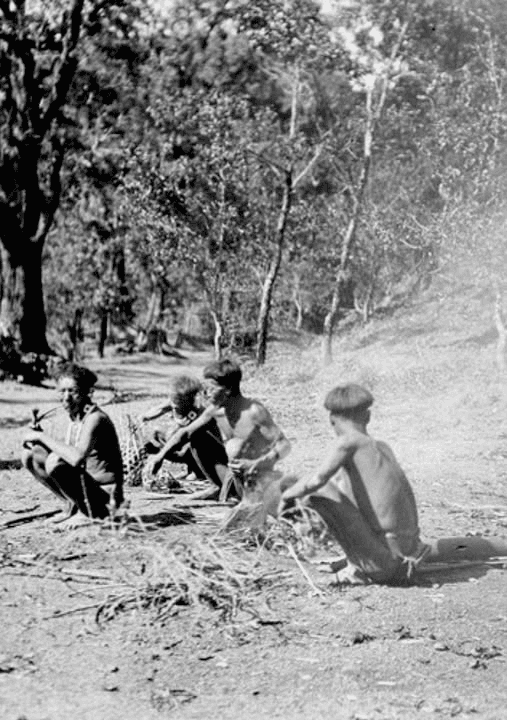
Psycho-spiritual healing practices form an important component of traditional approaches to mental health among communities in Nagaland. The Naga paradigm of mental health healing highlights the worldwide therapeutic promise of communal care in contrast to isolated individual clinical care within health systems. Traditional approaches to mental distress offer a very different way of understanding healing: one where spirituality, cultural beliefs, family and community can be as important as the individual experiencing distress. From traditional healers to psycho-spiritual practices, these approaches invite us to look at mental health through a wider cultural lens.
A previous study (Kikhi, N., & Kikhi, Z., 2019) offered a striking picture of how mental health continues to be understood and addressed within the communities in Nagaland, including participants from different tribal groups.810 participants from rural (510) households belonging to Ao, Sumi, Yimjunger, and Sangtam tribes and in urban (300) households belonging to different tribal groups, with the majority belonging to the Ao tribe, were included in the study. It was found that traditional healing remained an important part of mental health care in Nagaland. Three broad forms of traditional healing were identified: herbal, mechanical and psycho-spiritual practices, which were sometimes used alone and sometimes together. Nearly 30% of the respondents had consulted a traditional healer, with considerably greater use in rural areas (34.8%) than urban areas (16.5%). Psycho-spiritual healing was the most commonly reported form of traditional treatment, accounting for 49% of its use. Among those who sought traditional healing, 58.9% reported a good outcome. The study described the community's views on mental disturbances. The Naga perspective suggests that phenomena such as ancestral wrath and soul loss are rooted in a coherent cultural framework, where mental disturbance is understood as a consequence of fractured spiritual harmony. In this culture, mental health is believed to be community-oriented, wherein family, clan and village heal together. In this context, ancient restorative rituals focus on restoring balance rather than providing a simple cure. Within this framework, healers and shamans function as essential spiritual and moral anchors. Their diverse interventions—ranging from herbal remedies to the appeasement of spirits and the retrieval of lost souls—are designed to weave the individual back into the shared fabric of the community and the broader spiritual order.
What matters is why these practices remain valued. Around 60% of rural respondents considered traditional healers to remain popular for mental health, compared with 24% of urban respondents. The study attributes this partly to people’s perception that traditional healers possess diagnostic abilities and use culturally acceptable methods. The findings highlight that mental health care is not experienced only through formal health services. For many communities in Nagaland, culture, belief, traditional knowledge and the local healing system remain a part of the pathway through which distress is understood and navigated. Shadowing spirit possession and soul loss are not irrational fears but hundreds of years of lived experiences. Mental disturbance is viewed as something that disrupts social and spiritual harmony, not a flaw strictly internal to the person. Another recent paper (Yepthomi K et al. 2025) reinstated these views and added evidence to this context. In the Naga community, ancient restorative rituals focus on restoring balance rather than providing a simple cure. From a public health perspective, the studies point towards the importance of recognising these existing systems of care while also addressing their limitations, but one thing remains absolutely clear: a system cannot fully address any health issue without acknowledging the cultural identity of communities.
Reference:
Kikhi, N., & Kikhi, Z. (2019) Traditional Healing Practices and Perspectives of Mental Health in Nagaland. Journal of North East India Studies. Accessed August 9, 2026, from https://www.jneis.com/9-2-3/
Yepthomi K, T. S. S and Kumar Gupta S (2025) Indigenous narratives of mental illness: narratives from Naga tribes. Front. Sociol. 10:1644475. doi: 10.3389/fsoc.2025.1644475